

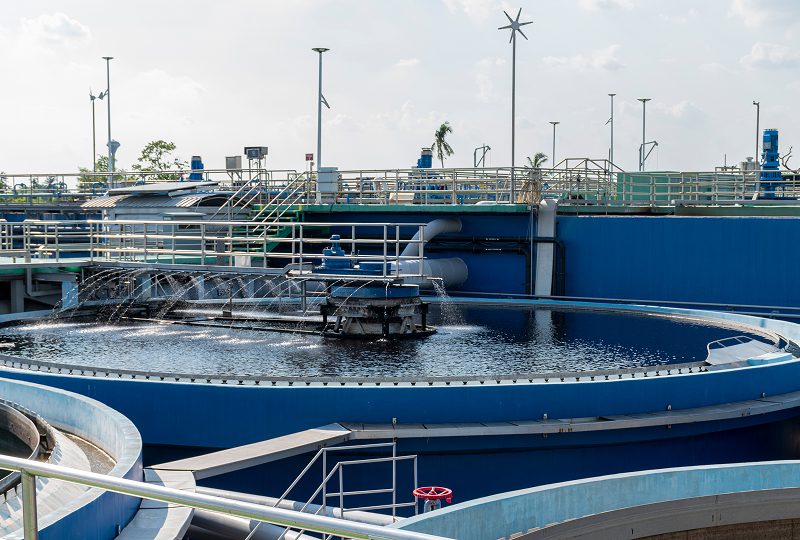
What to Look for When Choosing Water Treatment Equipment in 2025
Choosing the right water treatment equipment in 2025 is more complex—and more important—than ever. With evolving regulations, heightened sustainability goals, and pressure to maximize efficiency, the decisions you make today will have lasting impacts on your system’s reliability, safety, and cost-effectiveness.
Whether you’re designing a new plant, upgrading existing infrastructure, or responding to emerging contaminants like PFAS, this guide will walk you through the key considerations when selecting water treatment equipment in 2025.
1. Regulatory Compliance and Future-Proofing
One of the most critical considerations when investing in new equipment is whether it meets current and anticipated regulations. The water industry is seeing increasingly strict standards, especially regarding contaminants such as:
- PFAS (per- and polyfluoroalkyl substances)
- THMs (trihalomethanes)
- Lead and copper
- Nitrates and phosphorus
The right equipment should not only meet existing limits but also be adaptable to more stringent rules expected in the next 5–10 years. Ask vendors about track records, certifications, and independent test results that demonstrate regulatory compliance. Look for scalable systems or modular designs that allow for future additions or upgrades without a full system overhaul.
2. Energy Efficiency and Sustainability
As plants face increasing demands to reduce their carbon footprint and energy costs, equipment that operates efficiently is essential. Evaluate:
- Energy consumption per gallon treated
- Pump and blower efficiency ratings
- Smart control systems for real-time energy optimization
Sustainable systems may include options for resource recovery, such as reusing backwash water or capturing biosolids. Choosing energy-smart solutions doesn’t just align with environmental goals—it also delivers long-term cost savings.
3. Performance and Reliability
Water treatment is not an area where you can afford downtime or underperformance. Equipment needs to deliver consistent results, especially under variable conditions (like seasonal flow changes or unexpected contaminant spikes). Look for:
- Proven field performance data
- Low failure rates and built-in redundancies
- Compatibility with your existing SCADA systems
Ask for case studies from similar-sized facilities and environments to see how the system performs over time and under real-world conditions.
4. Ease of Integration and Customization
Every water facility has unique constraints—whether it’s footprint, flow volume, influent characteristics, or discharge permits. Avoid one-size-fits-all solutions.
Instead, seek equipment that offers:
- Customizable configurations
- Easy integration with existing systems
- Flexible installation options (above or below grade, skid-mounted, modular, etc.)
This is especially crucial for retrofits or phased improvement plans, where working within physical and operational limits is necessary.
5. Automation and Smart Monitoring
Modern water treatment systems benefit from advanced automation and real-time monitoring. These features improve performance, catch problems early, and reduce labor costs.
In 2025, top-tier equipment should offer:
- Cloud-based monitoring dashboards
- Predictive maintenance alerts
- AI-assisted process adjustments based on water quality sensors
With growing labor shortages in the water industry, the ability to automate key functions and monitor performance remotely is a major advantage.
6. Total Cost of Ownership (TCO)
Initial purchase price is only one part of the financial picture. Engineers and plant managers should consider the total cost of ownership, which includes:
- Installation and commissioning
- Routine maintenance and consumables
- Downtime risk
- Energy and chemical usage
- Training requirements
Ask vendors to provide TCO estimates or lifecycle cost analyses to help compare systems apples-to-apples. The cheapest upfront solution may cost more in the long run if it’s inefficient or prone to breakdowns.
7. Support, Service, and Training
Choosing the right partner is as important as choosing the right equipment. Look for companies that:
- Offer local or regional technical support
- Provide on-site training and detailed documentation
- Maintain robust spare parts availability
- Offer performance warranties or service agreements
Reliable service ensures your equipment continues to operate as expected—and that your staff is equipped to troubleshoot and maintain the system long-term.
8. Responsiveness to Emerging Contaminants
With PFAS, microplastics, and other emerging pollutants gaining attention, many utilities and industries need solutions capable of addressing these threats. Equipment should be tested and validated against:
- PFAS remediation (adsorption, advanced oxidation, or thermal destruction)
- THM formation reduction
- Disinfection by-product control
A forward-thinking investment considers not just today’s contaminants but also tomorrow’s challenges.
9. Scalability and Growth Planning
Whether you’re expanding capacity or preparing for population growth, your water treatment system should be able to grow with you. Prioritize equipment that is:
- Modular and expandable
- Designed with future upgrades in mind
- Capable of supporting fluctuating or increasing flows
This ensures your investment remains valuable and functional even as your needs evolve.
10. Feedback From the Field
Before finalizing any major equipment purchase, seek out peer reviews and references. Other municipalities, engineers, and plant operators are often willing to share their experiences—both good and bad.
Online forums, industry events, and trade publications are all useful resources. You’ll gain practical insights on how the equipment performs, how responsive the manufacturer is, and whether the promised performance holds up in the real world.
Conclusion
Choosing water treatment equipment in 2025 requires balancing performance, efficiency, compliance, and long-term viability. Engineers, plant managers, and decision-makers should look beyond the specs and pricing to understand how well a system integrates into their specific operations—and how well it will serve their communities or clients for years to come.
The best decisions are informed ones. Gather data, ask hard questions, and partner with experts who understand your goals.
Make The Right Choice For Water Treatment
Contact Stellar Waterworks today to discuss how our innovative water treatment solutions can support your long-term success.