

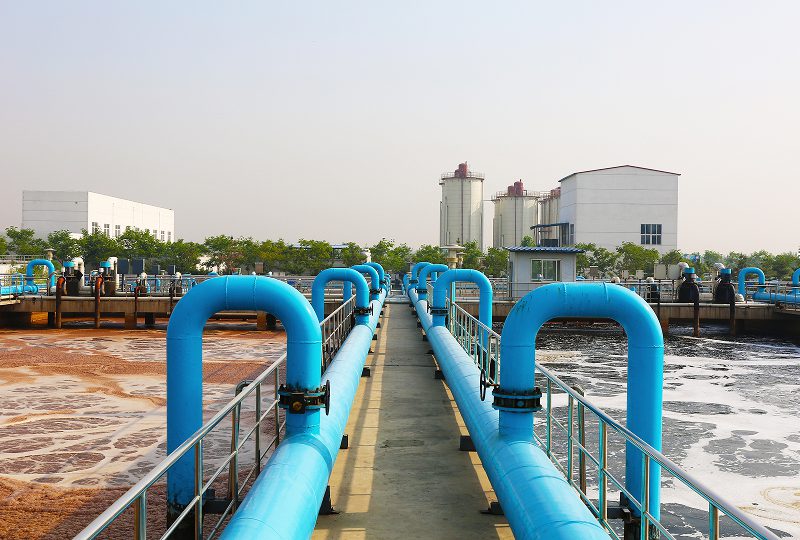
Lift Station Mixing Applications
Wastewater lift stations are constantly exposed to challenging conditions. When wastewater becomes stagnant inside a wet well, solids settle, grease accumulates, odors intensify, and corrosive gases such as hydrogen sulfide begin to form. Over time, these conditions can clog pumps, accelerate infrastructure deterioration, increase maintenance costs, and create unsafe environments for operators.
Effective mixing is essential to preventing these issues. Stellar Waterworks' TT-1500 lift station mixer keeps wastewater moving, suspends solids, and introduces aeration that helps control odors and corrosive conditions. The result is a more reliable lift station, lower operational costs, and a longer service life for pumps and infrastructure.
Prevents Solids Accumulation
Solids accumulation is one of the most persistent operational challenges inside wastewater lift stations. When incoming flows slow or pump cycles are spaced too far apart, heavier solids settle to the bottom of the wet well. Over time, this material compacts into dense sludge layers that reduce available volume, interfere with pump performance, and create septic conditions.
As solids build up, operators face increasing risks of clogging, odor generation, excessive pump wear, and costly cleanouts. Accumulated debris can alter hydraulic flow patterns, leading to uneven pump loading and increased maintenance frequency. In severe cases, hardened deposits require confined space entry and manual removal—introducing both labor cost and safety risk.
Effective mixing prevents solids from settling in the first place. Aeration-based lift station mixing continuously circulates the wet well contents, keeping solids suspended and evenly distributed throughout the basin. By maintaining movement across the floor and throughout the water column, stagnant zones are eliminated and sludge layers are unable to form.
Because the system relies on aeration rather than mechanical agitation inside the tank, it promotes circulation without introducing moving parts into the wastewater environment. The result is a cleaner wet well, more consistent pump performance, and significantly reduced need for reactive maintenance.
Protects Pump from Clogging and Damage
Pump clogging is one of the most expensive and disruptive problems in wastewater lift stations. Rags, wipes, stringy debris, and grease can accumulate around pump intakes, wrap around impellers, and restrict flow. When solids settle and compact near the suction zone, pumps are forced to work harder to move uneven loads, increasing wear and reducing efficiency.
Frequent clogging leads to emergency callouts, increased labor hours, premature seals and bearing failures, and higher energy consumption due to reduced hydraulic performance. Repeated short cycling caused by debris interference further accelerates motor wear and can significantly shorten pump lifespan.
Proper wet well mixing plays a critical role in pump protection. Aeration-based circulation keeps solids suspended and evenly distributed throughout the basin rather than allowing them to concentrate near the pump intake. By maintaining consistent movement across the wet well floor and preventing sludge mounds from forming, the system reduces the likelihood of large debris clusters reaching the pump all at once.
Continuous mixing also stabilizes hydraulic conditions within the station. When solids remain in suspension, pumps operate under more uniform loading conditions, reducing mechanical strain and minimizing the risk of sudden blockages.
Protecting pumps from clogging is not just about reducing maintenance calls—it’s about preserving equipment reliability, controlling operating costs, and preventing unexpected station failures that can lead to overflows and environmental risk.
FOG Control
Fats, oils, and grease (FOG) are among the most problematic materials entering wastewater lift stations. As grease cools, it solidifies and rises to the surface, forming thick mats that restrict flow, trap debris, and interfere with pump operation. Over time, these mats can harden along walls and structural components, reducing wet well capacity and increasing cleaning frequency.
When FOG accumulates, it creates multiple operational risks. Surface mats can block level sensors, foul floats, and cause inaccurate pump cycling. Grease buildup on pump components restricts hydraulic efficiency and increases motor strain. In severe cases, hardened deposits require manual removal, creating confined space hazards and costly downtime.
Effective mixing disrupts FOG accumulation before it becomes a structural problem. Aeration-based circulation continuously moves the contents of the wet well, preventing grease from settling into static layers or forming stable surface mats. Surface agitation breaks up floating accumulations, while consistent movement limits the opportunity for grease to adhere to walls or mechanical components.
By keeping FOG dispersed and integrated within the flow stream, lift stations operate more predictably and with fewer emergency cleanouts. Continuous circulation also reduces the formation of septic zones often associated with stagnant grease layers.
FOG control is not just about appearance—it directly impacts pump performance, odor generation, and long-term infrastructure integrity. Maintaining active mixing inside the lift station minimizes buildup, stabilizes operations, and reduces the reactive maintenance that grease typically demands.
H2S Control
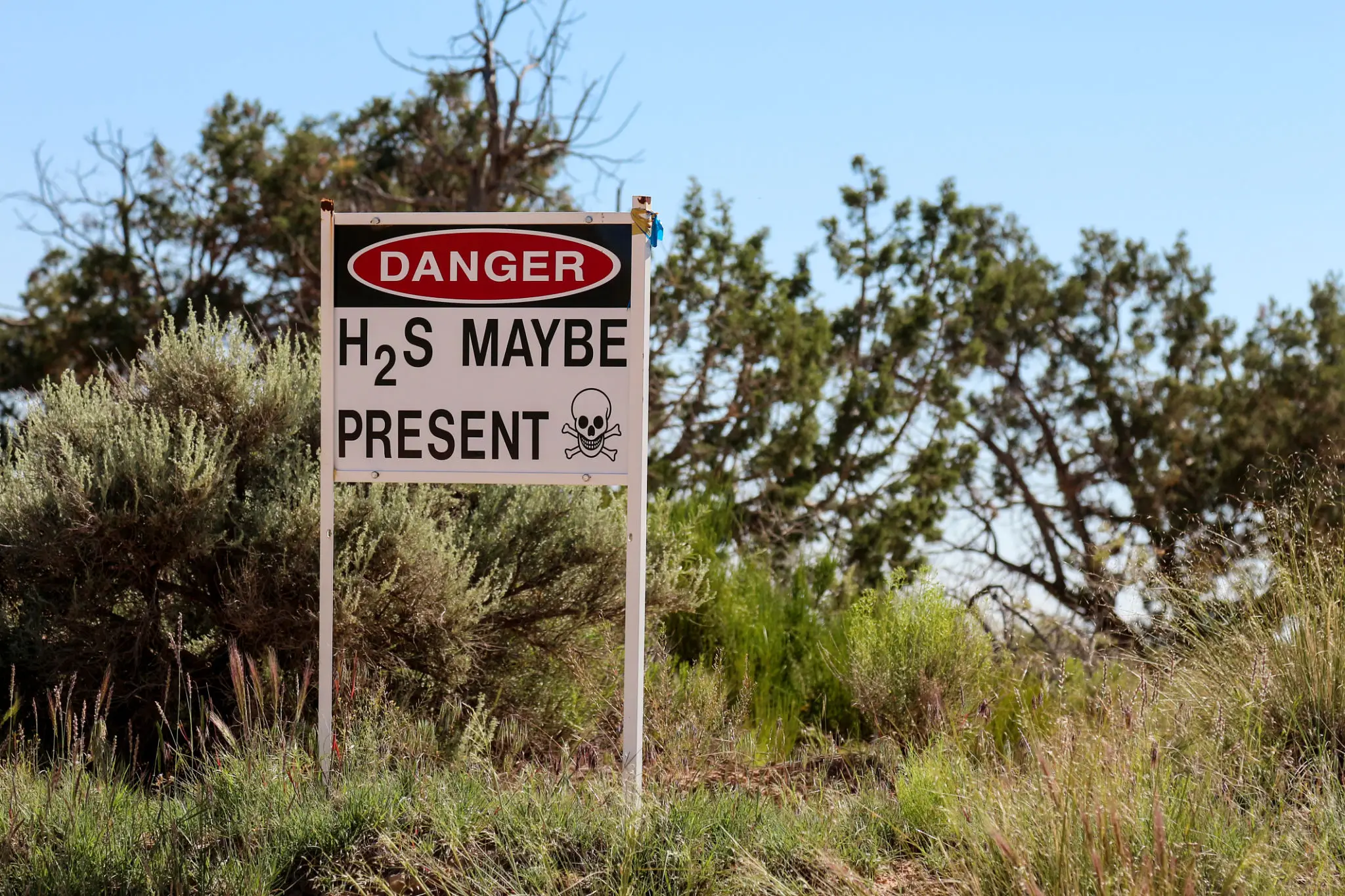
Hydrogen sulfide (H₂S) formation is a common and costly problem in wastewater lift stations. When solids settle and organic material decomposes under stagnant, low-oxygen conditions, sulfate-reducing bacteria produce hydrogen sulfide gas. This process—known as septicity—occurs most aggressively in wet wells with poor circulation and excessive detention time.
H₂S presents multiple risks. At low concentrations, it produces strong odor complaints that affect nearby communities and operators. At higher concentrations, it poses serious worker safety hazards. Over time, hydrogen sulfide oxidizes into sulfuric acid, aggressively attacking concrete, metal components, coatings, and electrical infrastructure. This corrosion can significantly shorten the lifespan of wet wells, piping, and downstream force mains.
Controlling H₂S begins with preventing septic conditions. Aeration-based mixing continuously circulates wastewater inside the lift station, limiting the stagnant zones where anaerobic bacteria thrive. By promoting oxygen transfer and keeping solids suspended, mixing reduces the biological conditions that generate hydrogen sulfide in the first place.
Surface agitation and consistent turnover also help release and dilute accumulated gases before concentrations reach problematic levels. Instead of allowing pockets of septic wastewater to form along the basin floor or walls, active mixing maintains a more uniform and stable internal environment.
Effective H₂S control protects more than just air quality—it safeguards structural integrity, reduces odor complaints, improves worker conditions, and minimizes long-term corrosion damage. By addressing septicity at its source, lift stations operate more reliably and with significantly lower infrastructure risk over time.
Minimize Corrosion
Corrosion inside lift stations is one of the most expensive long-term threats to wastewater infrastructure. When wastewater becomes septic, hydrogen sulfide gas is produced. As this gas rises and contacts moisture on walls, ceilings, and structural components, it oxidizes into sulfuric acid. Over time, this acid aggressively deteriorates concrete, steel, coatings, rails, piping, and embedded hardware.
The damage is gradual but severe. Concrete surfaces soften and spall, reinforcing steel becomes exposed, metal components weaken, and protective coatings fail. Electrical conduits and sensor mounts are also vulnerable. Left unchecked, corrosion can compromise structural integrity, increase infiltration risks, and require premature rehabilitation or full wet well replacement.
Corrosion control starts with controlling the environment that causes it. Stagnant wastewater, settled solids, and extended detention times create ideal conditions for anaerobic bacteria to thrive and generate corrosive gases. When solids accumulate along the basin floor, localized septic zones form and accelerate deterioration at specific structural points.
Aeration-based lift station mixing reduces these corrosive conditions by maintaining continuous circulation and limiting the development of anaerobic zones. By keeping solids suspended and promoting more uniform wastewater conditions, the biological drivers of hydrogen sulfide production are significantly reduced. Improved internal movement also minimizes concentrated attack points along the basin floor and walls.
Minimizing corrosion is not just about surface protection—it is about preserving structural integrity, protecting capital investments, and avoiding costly rehabilitation projects. By stabilizing internal wet well conditions, utilities extend the service life of concrete structures, metal components, and downstream assets throughout the collection system.
Reduce Maintenance and Energy Cost
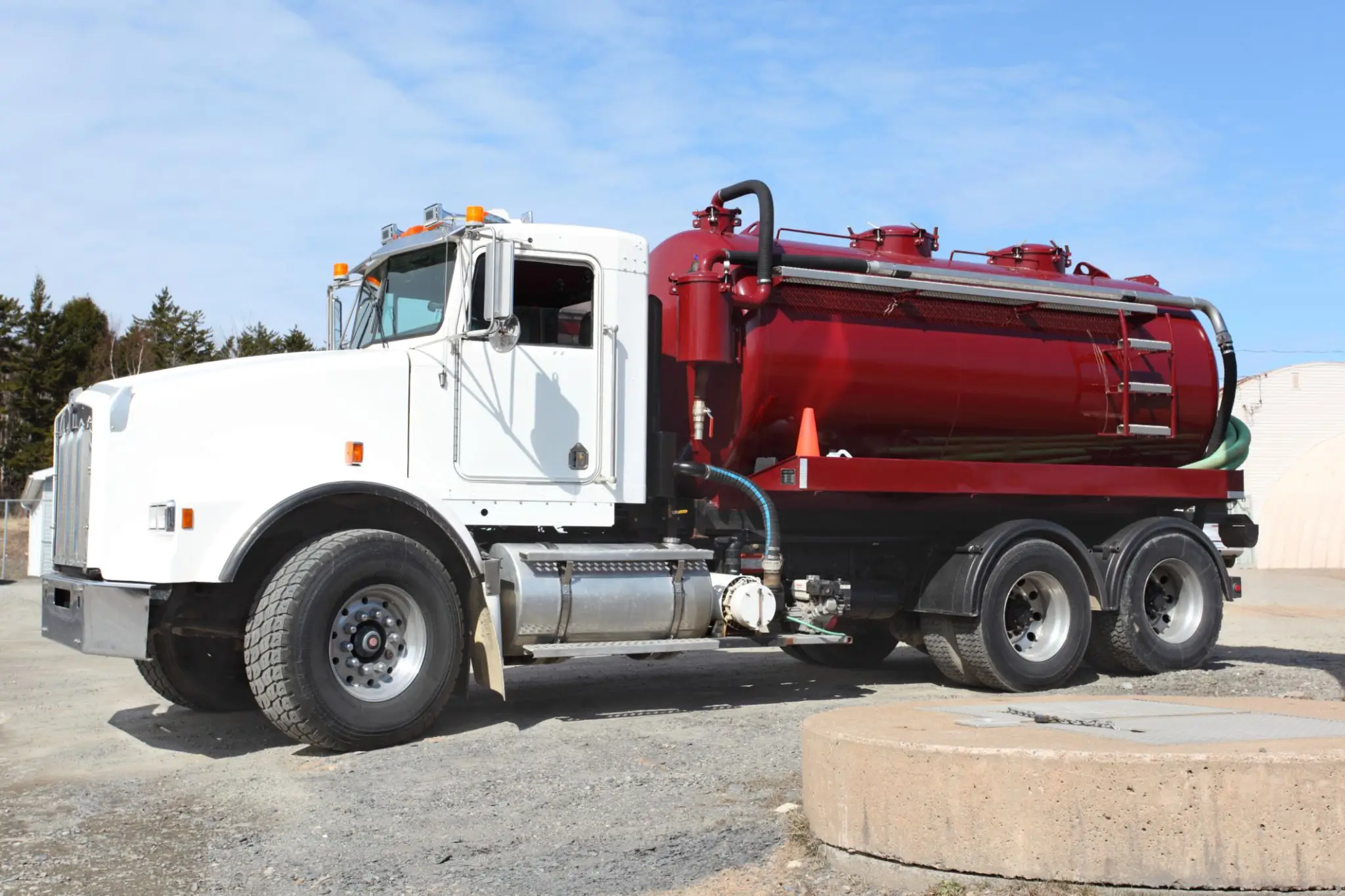
Lift stations are one of the most maintenance-intensive assets in a wastewater collection system. Solids accumulation, grease buildup, clogging, septicity, and corrosion all contribute to frequent service calls, emergency cleanouts, and rising operational costs. When wet well conditions are unstable, pumps cycle irregularly, operate under uneven loads, and consume more energy than necessary.
Reactive maintenance is expensive. Crews must respond to clogging events, manually remove debris, clean hardened sludge deposits, and address odor complaints. Each intervention increases labor hours, equipment wear, and safety exposure. Over time, short cycling and hydraulic instability accelerate motor deterioration and reduce overall pump efficiency.
Consistent mixing significantly reduces these operational burdens. By keeping solids suspended and preventing sludge mounds from forming, lift stations operate under more stable hydraulic conditions. Pumps draw from a more uniform wastewater mixture, reducing sudden debris surges that lead to clogging and excessive mechanical strain.
Aeration-based mixing supports improved circulation without introducing moving mechanical components into the wastewater environment. With fewer mechanical elements exposed to rags and debris, there are fewer internal components subject to fouling or failure. Stabilizing internal wet well conditions also helps limit septicity and grease accumulation—two major drivers of recurring maintenance events.
From an energy perspective, reducing clogging and hydraulic imbalance allows pumps to operate closer to their intended performance curve. When pumps are not fighting sludge buildup or grease blockages, energy is used more efficiently and runtime irregularities decrease.
The result is a lift station that demands fewer emergency responses, experiences less mechanical wear, and operates with greater energy efficiency. Over time, the reduction in labor hours, repair frequency, and equipment replacement translates into meaningful long-term cost savings.
Enhance Safety
Lift stations present inherent safety risks for operators and maintenance personnel. Confined space entry, exposure to hazardous gases such as hydrogen sulfide, slippery surfaces from grease buildup, and emergency response situations all increase the potential for injury. When wet wells require frequent cleaning or reactive maintenance, personnel exposure rises accordingly.
Hydrogen sulfide is particularly dangerous. At low levels, it causes odor complaints and irritation. At higher concentrations, it can impair breathing, reduce situational awareness, and create life-threatening conditions in confined environments. Septic wastewater and stagnant conditions increase the likelihood of gas accumulation inside wet wells.
Emergency callouts due to clogged pumps or overflow conditions further compound risk. Urgent repairs often require rapid response under less-than-ideal conditions, increasing the chance of accidents or procedural shortcuts.
Consistent lift station mixing improves internal wet well conditions, reducing many of the root causes that drive hazardous environments. By limiting solids accumulation, reducing septicity, and minimizing grease buildup, fewer manual cleanouts and confined space entries are required. Stabilizing internal conditions also helps reduce excessive hydrogen sulfide generation, improving air quality around the station.
When lift stations operate predictably—with fewer clogs, fewer overflows, and fewer emergency interventions—operator exposure decreases. The safest lift station is one that does not require constant reactive maintenance.
Enhancing safety is not just about protective equipment; it is about reducing the operational conditions that create danger in the first place. By promoting stable wet well performance, utilities protect their personnel while maintaining reliable system operation.
Extends Infrastructure Lifespan
Lift stations represent significant capital investments within a wastewater collection system. Concrete wet wells, submersible pumps, guide rails, valves, coatings, electrical systems, and downstream force mains are all exposed to harsh hydraulic and biological conditions. Without proper internal control, these assets deteriorate far faster than their intended design life.
Solids accumulation, grease buildup, and septic wastewater create concentrated attack points inside the wet well. Hydrogen sulfide generation accelerates concrete and metal corrosion, while uneven pump loading increases mechanical wear. Over time, these factors compound—leading to premature rehabilitation, structural repairs, or complete station replacement.
Infrastructure degradation rarely happens suddenly; it develops gradually under unstable operating conditions. When solids repeatedly settle and compact, when pumps experience recurring clogging events, and when corrosive gases persist, material fatigue and structural weakening follow.
Consistent mixing stabilizes the internal environment of the lift station. By preventing sludge buildup, limiting septicity, and reducing corrosive conditions, the physical stress placed on structural materials and mechanical components is significantly reduced. Pumps operate under more balanced loading, coatings experience less chemical attack, and wet well surfaces are less exposed to concentrated corrosion zones.
Extending infrastructure lifespan is ultimately about controlling the conditions that cause deterioration. When lift stations operate with stable hydraulics and reduced biological aggressiveness, utilities preserve asset integrity, delay capital replacement projects, and improve long-term return on infrastructure investment.
A well-managed lift station is not only easier to operate—it lasts longer, performs more reliably, and protects the broader wastewater collection system for decades to come.